
Safety standards are the backbone of modern industrial manufacturing and PPE deployment. The American National Standards Institute (ANSI) and the European Norms (EN) are the two primary global frameworks ensuring that protective products meet strict performance and safety requirements.
For international brands and distributors, understanding the technical nuances between ANSI and EN ratings is critical to choosing the correct equipment for specific tasks.
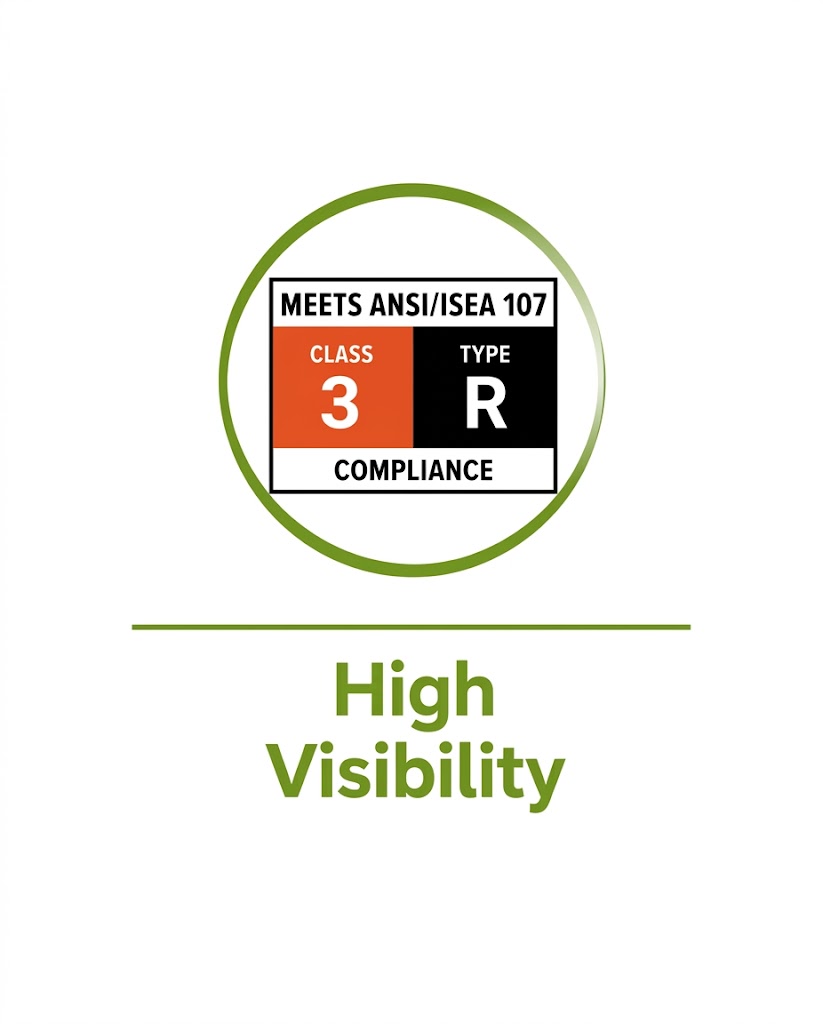
ANSI/ISEA Standards: Dominate North American procurement, focusing heavily on classification metrics tailored to high-precision risk categories (such as the A1–A9 cut scale).
EN (European Norms): Dictate regulatory compliance across European markets, combining mechanical barrier metrics under a cohesive, multi-digit testing system (like the EN 388 shield).
For corporate safety brands and distributors, an ANSI rating is a vital validation of product performance. ANSI coordinates a voluntary, consensus-driven system where industry experts and government groups establish rigorous testing protocols for defensive equipment, such as cut-resistant safety gloves and technical workwear.
While ANSI standards do not carry the direct force of law like European Union (EN) mandates, they are heavily referenced by OSHA. Consequently, meeting ANSI standards is a baseline operational requirement for any product entering the North American industrial, construction, or manufacturing supply chains.
EN ratings (European Norms) are harmonized technical standards officially adopted by the European Union member countries. Designed to ensure a uniform level of product performance and user protection, these standards are highly regulated and legally enforceable.
Unlike the voluntary consensus framework found in North America, EN compliance is a strict legal requirement for marketing, selling, or distributing Personal Protective Equipment (PPE) within the EU.
To keep pace with technical innovation and evolving workplace hazards, ANSI and EN 388 safety standards typically change every few years. Incorporating the latest testing advancements ensures that safety gear handles modern industrial challenges—such as high-tensile composite wires or complex fluid exposures—with absolute reliability.
For global brands and suppliers, staying up to date with these ongoing adjustments is crucial to ensuring field workers receive the most effective protective equipment available.
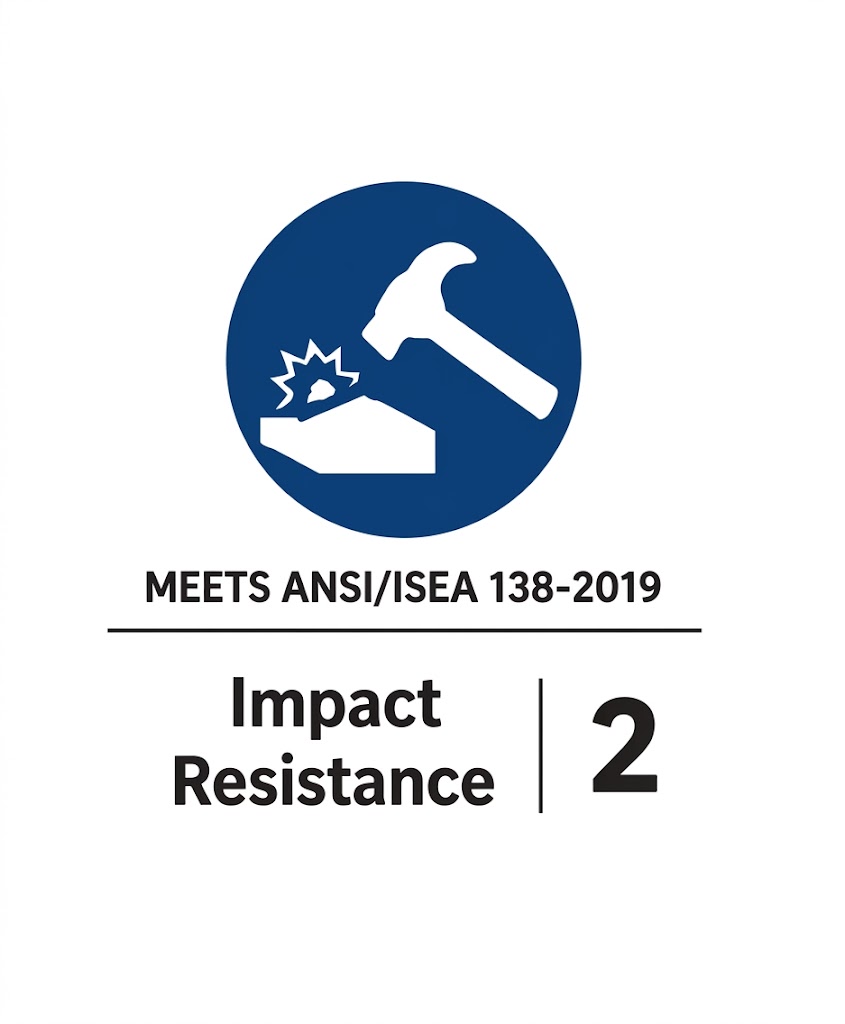
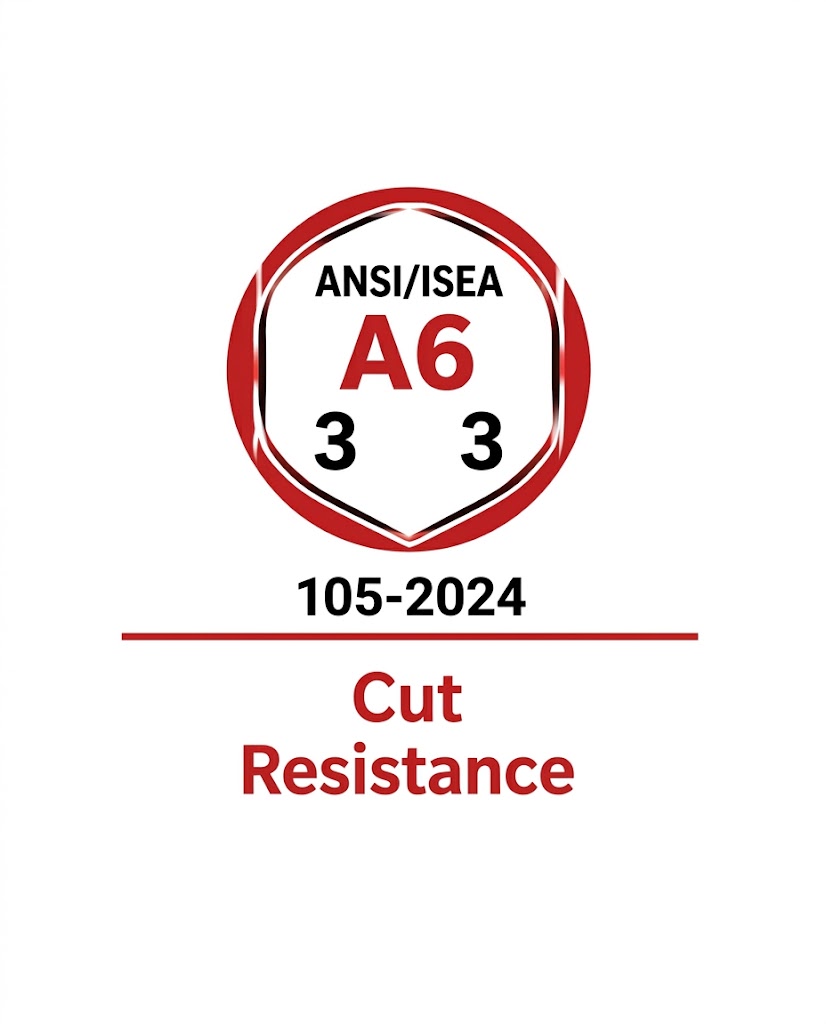
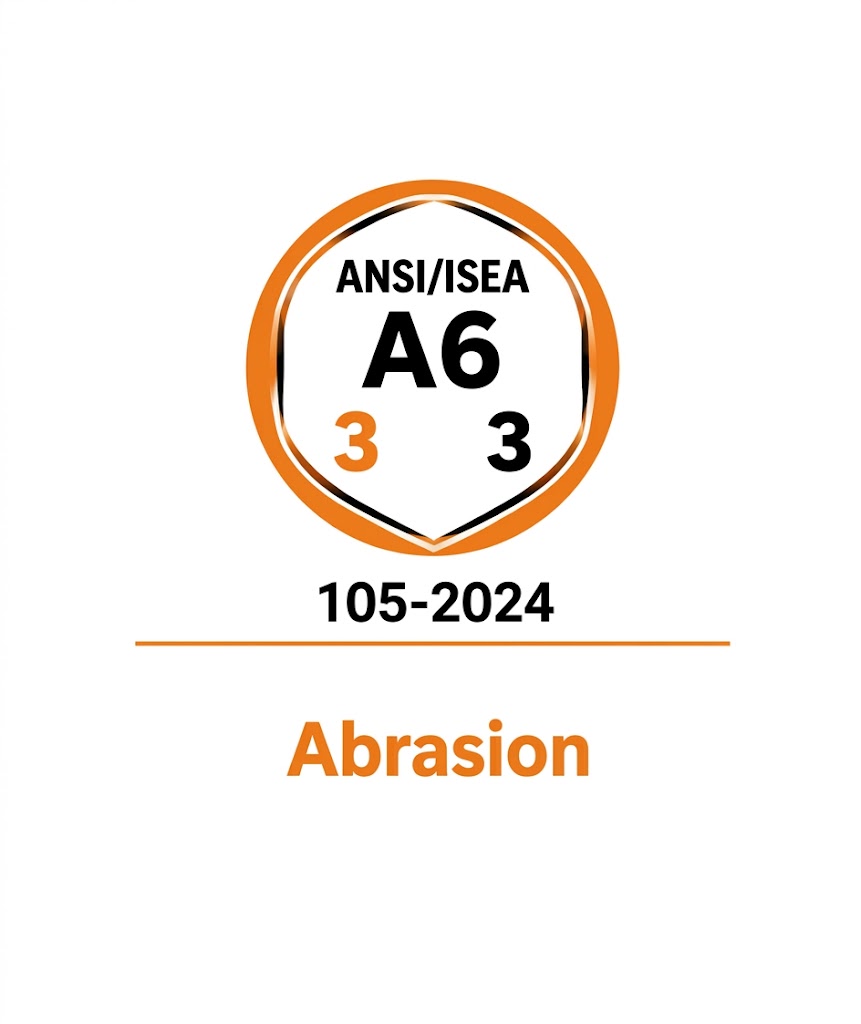
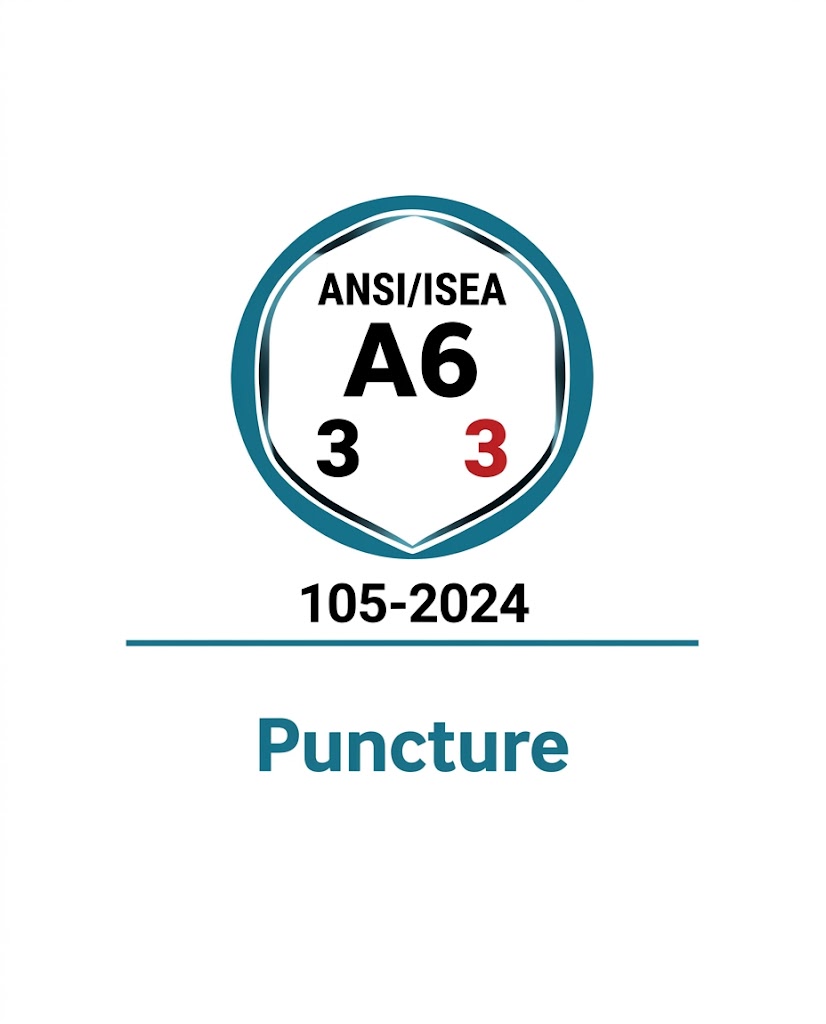
Don't rely on lookalike safety claims. Partner with Guard Gloves as your direct contract manufacturer to deploy premium, certified private-label impact lines built precisely to global legal frameworks.