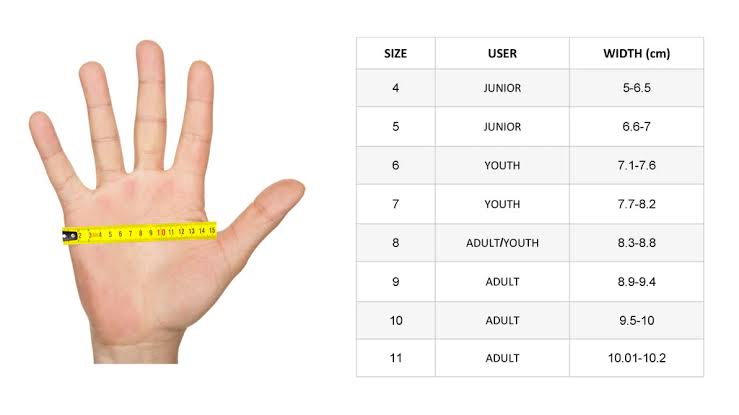
Sourcing the correct work glove size is absolutely essential for workforce safety, ergonomic comfort, and daily production line productivity. Whether your team operates in construction, manufacturing, transport, logistics, utilities, or engineering, properly fitted PPE gloves serve as your primary line of defense—allowing operators to handle complex tasks safely without muscle fatigue.
At Guard Gloves, we manufacture a comprehensive range of premium protective safety gloves precision-engineered to shield against severe mechanical hazards, blade cuts, abrasions, high heat, wet conditions, and extreme winter weather.
However, securing an accurate industrial glove size fit is just as vital as choosing the right material substrate. A loose-fitting glove compromises tool control and grip stability, while an overly tight fit severely limits hand flexibility and causes the material to tear prematurely under pressure.
From a safety compliance perspective, an ill-fitting glove is a major operational liability. To get the maximum return on your PPE investment, understanding the physical dynamics of a proper fit is essential. A certified work glove should act like a second skin, delivering four critical fit requirements:
Allows your fingertips to comfortably reach the end of each finger slot without leaving loose, excess material.
Sits snugly and comfortably across the palm matrix without pinching or binding.
Anchors firmly around the wrist to block out debris without feeling overly tight or restricting circulation.
Facilitates complete flexibility and hand movement when handling industrial tools, machinery, and materials.
Slip and shift constantly during demanding tasks, which severely reduces grip security and creates immediate workplace safety hazards.
Create immense material tension across the seams, leading to rapid fabric breakdown and premature tearing that destroys glove longevity.
Tight gloves limit natural blood flow, resulting in severe hand fatigue that lowers worker productivity before a shift is even halfway completed.
Sourcing the right protective glove size is fast and simple. Accurate hand measurements guarantee premium dexterity and long-lasting material durability.
To maximize glove longevity and ensure absolute compliance across your workforce, combining horizontal palm width with vertical hand length measurement provides the ultimate sizing blueprint.
Finding your exact hand protection size often requires navigating two different industry standard formats: letter sizes and numerical sizes (which typically range from 6 to 12). To clear up the confusion, here is a quick conversion blueprint for your procurement team:
Achieving optimal workplace safety requires recognizing that different protective glove materials alter the entire feel of the glove. Because fabric structures react differently to hand movement, varying materials offer completely different levels of restriction or flex. Selecting the right material composition is vital to ensure long-lasting comfort and a secure, non-slip grip.
High-durability leather safety gloves feature unique physical properties—the material naturally stretches and custom-molds to your hand shape through regular daily use. Over time, repeated use causes the leather fibers to stretch and conform perfectly to your hand's unique geometry. For this reason, a new pair must fit comfortably snug at first to achieve the ultimate second-skin feel and prevent hand fatigue down the road.
Engineered synthetic & textile work gloves are purpose-built to deliver superior tactile response and mechanical agility on the job.
Modern textile materials offer enhanced fabric elasticity and adaptive stretch.
This high-flex profile makes them ideal for tasks demanding exceptional finger dexterity and fine-component control.
Before initiating any industrial task, executing a quick inspection of your workplace safety gloves is essential to guarantee absolute compliance and protection. Ensure your protective gear meets these five fit criteria:
AAnchors firmly to the hand without shifting or slipping during movement.
Extends fully over the wrist matrix to keep out debris.
Facilitates a solid, non-slip grip on all machinery and equipment.
Allows complete, natural movement of your fingers.
Free of internal pressure points, rough seams, or friction zones.
Compromised hand protection is a major workplace hazard. Make it a habit to inspect your textile and leather safety gloves frequently for punctures, fabric thinning, or tearing. To guarantee maximum glove longevity and maintain proper PPE compliance, pull damaged gear from production and replace it immediately.
Standard industrial safety laws require corporate management to supply certified workplace safety gloves for areas with unmanaged physical risks. Procurement teams must audit specific work tasks during facility risk assessments to deploy the correct glove classifications, specifically targeting:
Premium barrier defense against sharp materials and edges.
Heavy-duty wear resistance for intense friction environments.
Secure chemical barriers to prevent hazardous absorption.
High-temperature protection for welding and manufacturing lines.
Insulated thermal defense for outdoor and low-temperature settings.
High-dexterity grip support for everyday industrial tasks.
To maximize workforce productivity, minimize workplace injuries, and uphold strict safety compliance, ensuring an ergonomic, individualized glove fit across all operators is an absolute operational requirement.
A proper hand protection size is vital for maintaining field safety and workflow efficiency. Implementing precise sizing guides and routine pre-task inspections ensures your personnel receive the highest level of hazard defense. Ultimately, well-fitting safety gear prevents workplace injuries while significantly reducing hand strain and improving tool control.
Ready to optimize your company's safety inventory and reduce replacement costs? Guard Gloves offer comprehensive ranges of high-performance PPE Hand Protection tailored to keep your industrial workforce safe, productive, and compliant. Partner with Guard Gloves today— to discuss volume pricing and custom manufacturing options for your business.